

Deposit Refund System (DRS)
Turning Waste into Value, One Return at a Time
What is DRS?
A Deposit Return System (DRS) is a structured recycling mechanism where a small, refundable deposit is added to the price of a beverage container at the time of purchase. Once the product is consumed, the empty container is returned to an authorised collection point, where the deposit is instantly refunded to the consumer.
This simple incentive encourages people to return containers instead of discarding them, leading to higher collection rates, reduced litter, and cleaner waste streams. Because the returned containers are collected in a segregated and controlled manner, the material can be recycled into high-quality raw material, enabling true bottle-to-bottle recycling.
By keeping materials in continuous circulation and preventing them from ending up in landfills, DRS closes the loop for beverage packaging and supports a genuinely circular economy.
Why DRS matters for India
Behavioral Change at Scale
Creates a culture of returning and recycling instead of littering.
Waste Reduction
Diverts plastic, e-waste, and other high-polluting materials away from landfills.
Circular Economy in Action
Ensures resources are collected, recycled, and reintroduced into the economy.
Compliance & ESG Advantage
Supports businesses in meeting EPR targets and demonstrating visible sustainability outcomes.
How DRS Works
At Circulogy, we are designing a tech-enabled DRS platform that integrates:
01
Register Products & Materials
List eligible items (bottles, packaging, batteries, e-waste)
02
Add Deposit at Purchase
Small refundable charge embedded at point of sale.
03
Return & Collect
Consumers drop items at smart collection points or kiosks.
04
Refund Issued
Via QR pay, e-wallet, or rewards.
05
Sort & Recycle/Reprocess
Material flows back into high-quality recycling streams.
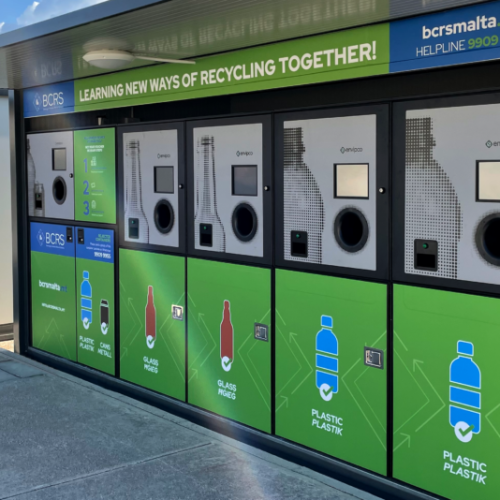
Reverse vending machines and drop-off kiosks across venues, campuses, and cities.
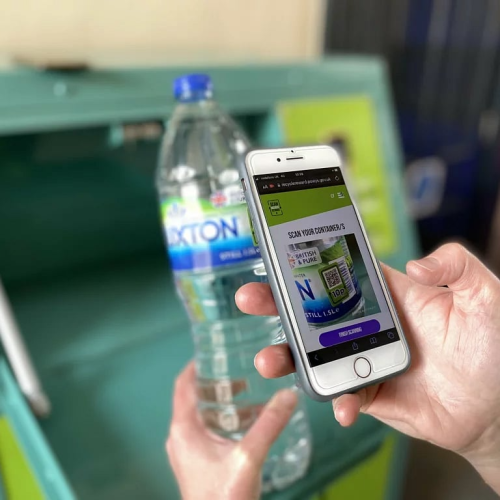
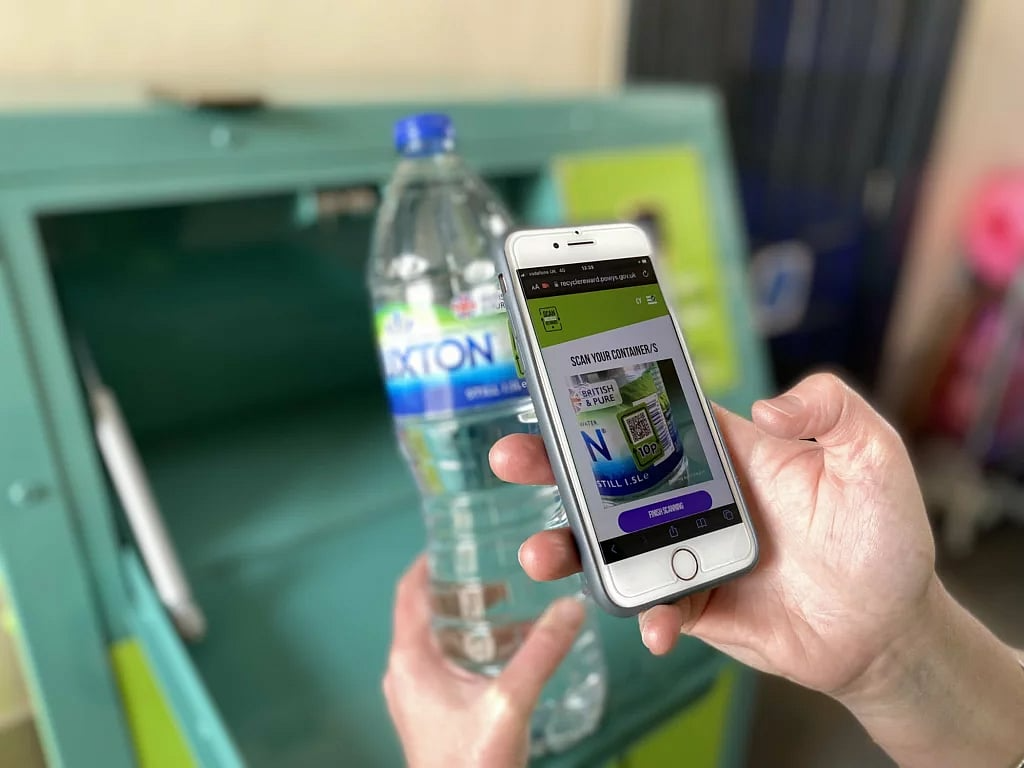
QR-based refunds, e-wallet credits, or eco-reward points.
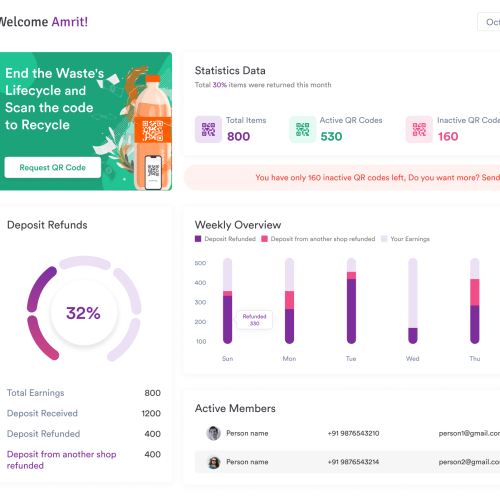
Real-time dashboards for brands and regulators to track returns and recycling impact.
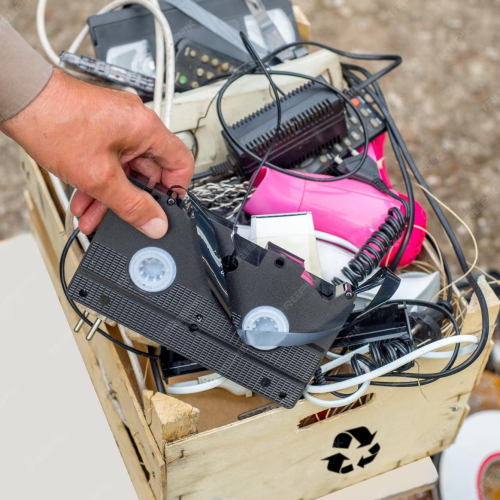
Sector-specific DRS models for plastic packaging, batteries, tyres, and e-waste.
How Circulogy helps from design to deployment
- DRS Strategy & Framework Design
We work with brands, institutions, and authorities to design a DRS model that actually works on the ground. This includes defining eligible materials, deposit values, return mechanisms, and stakeholder roles—aligned with Indian consumption behaviour, retail formats, and EPR requirements.
- Tech Platform & Integration
Circulogy provides a digital backbone to run the entire DRS. Our platform enables product registration, return tracking, refund processing, and reconciliation, while offering real-time dashboards for brands and regulators to monitor performance and compliance.
- Field Operations Support
We support on-ground execution through partner onboarding, collection point setup, reverse logistics coordination, and day-to-day operational management—ensuring returned material moves seamlessly from consumer to recycler.
- Impact Measurement & Reporting
Every return is tracked and measured. We generate clear, auditable reports on material recovery, recycling outcomes, and environmental impact, helping organisations meet sustainability, ESG, and regulatory reporting needs with confidence.
FAQs DRS
Q1: What is a Deposit Refund System (DRS)?
Answer:
It’s a system where consumers pay a small refundable deposit when they buy a product (like bottles, packaging, batteries, e-waste) and get that deposit back when they return the used item to a designated collection point.
Q2: How does the DRS work in simple terms?
Answer:
You pay a deposit at purchase → return the empty/used item at a collection point or kiosk → get your deposit back via digital wallet, QR code, or rewards.
Q3: 3. What kinds of materials can a DRS include?
Answer:
While many schemes start with beverage containers (plastic bottles, metal cans), a well-designed DRS can also include other materials like batteries, e-waste, tyres, cartons, and more depending on local rules and infrastructure.
Q4: 4. Who pays the deposit?
Answer:
The consumer pays the deposit at the point of purchase. When the product is returned through the DRS, the consumer gets that deposit back.
Q5: Where do I return the items to get my deposit back?
Answer:
Returns can happen at reverse vending machines, partner collection points, retail return counters, or other authorised drop-off locations.
Q6: Do I have to return the item where I bought it?
Answer:
Not necessarily, most systems allow you to return eligible items at any authorised DRS return point, even if you bought the product elsewhere.
Q7: How is the deposit refunded?
Answer:
Refunds can be given as cash, digital wallet transfers, QR-based credits, or reward points depending on how the DRS is set up.
Q8: Are all bottles and containers included in a DRS?
Answer:
In most DRS models, only designated “in-scope” containers carry a deposit. The exact list depends on regulations and agreements with client and industry partners.
Q9: Does the deposit have to be a fixed amount?
Answer:
No, the deposit amount is usually set by scheme administrators based on product type and recycling goals.
Q10: Can DRS improve recycling rates?
Answer:
Yes, global experience shows high return and recycling rates once DRS is properly designed and implemented. It gives a real financial incentive for people to return used packaging instead of throwing it away.
Q11: Can businesses operate DRS without government support?
Answer:
DRS works best when aligned with regulations and EPR frameworks, but businesses including brand owners and retailers can partner with an operator like Circulogy to design and run the system.
Q12: How does Circulogy support a DRS?
Answer:
Circulogy provides the framework, tech platform, tracking systems, and field operations support needed to set up and scale a DRS from pilot to full rollout.
Your requirements about DRS
Interested in partnering with us on DRS?
Let’s co-create the future of circularity
Pilot & partnerships
Circulogy is working with campuses, event venues, and corporates to pilot DRS models. Our aim is to create a nationwide framework that makes responsible disposal simple, rewarding, and scalable.
- +91 86509 07362
- support@circulogy.com